© ABUS

SAFETY STANDARDS AND NORMS

In our guide, you will find all the important information about common safety standards, test seals, and norms for bicycle helmets.

Bicycle helmets are essential protective equipment for cyclists, and they contribute significantly to safety on the bike. However, not all helmets offer the same level of protection. It is therefore important to find out about the safety standards and norms that characterize a helmet as safe and reliable.

What safety certificates and standards are there for bicycle helmets? Why are these standards crucial, and what should you look for when buying a helmet to ensure optimal protection for your head?

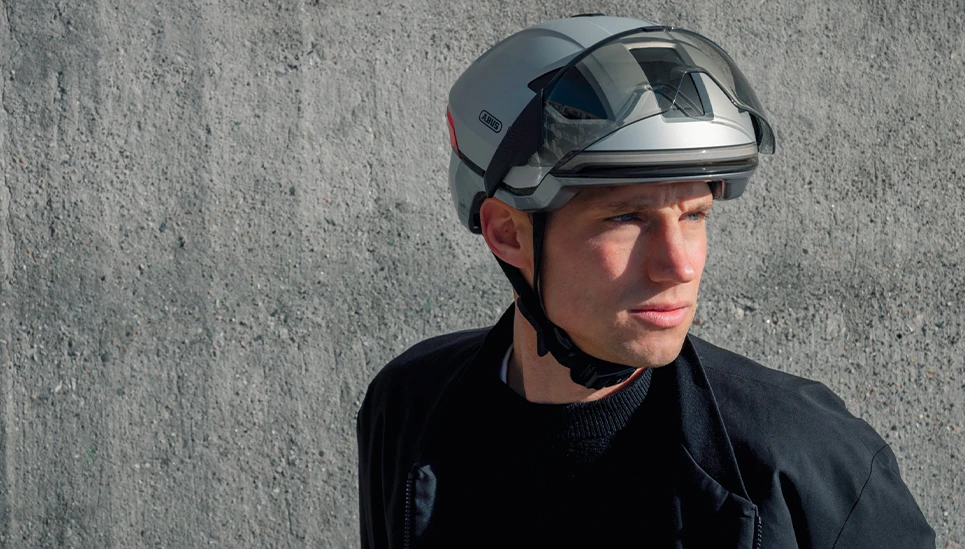
Close-up of man in side view wearing urban bicycle helmet Pedelec 2.0 ACE © ABUS

Safety certificates and standards:

What do they mean?

Safety certificates and standards are official seals of approval that confirm that a bicycle helmet meets certain minimum requirements for protection and safety. One of the best-known and most important standards is DIN EN 1078, which is verified by the CE seal, among other things. This standard specifies the requirements that helmets for cyclists and users of skateboards and roller skates must meet.

© ABUS

A bicycle helmet that is certified according to DIN EN 1078 has passed a series of tests to ensure that it provides the best possible protection for the head. These tests, which are carried out using a special test head, include the following test scenarios:

  • Impact absorption test: The helmet must be able to absorb the impact energy of a fall from a height of 1.50 meters.
  • Penetration test: The bicycle helmet is tested to see whether sharp objects can penetrate the helmet shell or the entire helmet.
  • Chin strap strength test: The chin strap must hold securely and must not come loose under stress.

In addition to DIN EN 1078, there are specific safety standards such as the bicycle helmet standard DIN EN 1080, which contains important specifications for children's helmets and helmets for small children, and testing standards such as ASTM, which must be complied with in the USA for MTB helmets and BMX bicycle helmets, for example.
Bicycle helmet standard

Why are these standards important?

Defined safety standards ensure that a bicycle helmet offers the best possible protection in the event of an accident. Here are some reasons why these standards, based on various bicycle helmet tests, are so important:

  • Protective effect: A certified helmet has been tested with a special test head and shown that it can absorb energy in the event of a fall from a certain height, thereby preventing or at least minimizing head injuries.
  • Important: Helmets that have been purchased cheaply from discount marketplaces and do not have safety certificates may not provide the necessary protection. For reliable head protection, you should definitely invest in proven helmet brands with the appropriate seals.
  • Trust and reliability: Safety certificates give you the assurance that the helmet has been tested by independent testing organizations and meets the requirements. Trust in the equipment is essential, especially for children's helmets and toddler helmets, as the protective effect is particularly important here.
  • Sense of duty: In many countries, helmets are mandatory, especially for children and S-pedelec riders, with the aim of increasing helmet use and reducing the risk of injury in the event of an accident. A helmet that meets the necessary standards ensures that you are legally compliant when riding your bike.
  • Safety in everyday life: High-quality helmets are indispensable, especially for cyclists who use their bikes frequently in everyday life. A certified helmet ensures that you are optimally protected on both long and short rides.
© ABUS

Certification marks and standards

When buying a new bike helmet, there are several things you should look out for to ensure you get the best protection for your head.

  • Certification mark: Make sure the helmet has a certification mark such as DIN EN 1078 or other bike helmet standards. These marks are usually not visible on the outside of the helmet shell, but on the inside of the helmet.
  • Fit: The helmet should fit well and not slip. A secure fit significantly increases the protective effect. You can find out how to find the right helmet size for your head circumference and shape in this guide.
  • Chin strap: The chin strap should be easy to adjust and close securely. Test the chin strap regularly to ensure that the strap system holds reliably even in the event of an impact or other stress.
  • Weight: A lightweight helmet is more comfortable to wear, especially for children. A low weight can help to increase the rate of helmet use.
  • Ventilation: Good ventilation slots ensure that the helmet remains comfortable to wear even on long journeys.
  • Practical extras: Some helmets have additional safety features such as an integrated rear light for better visibility in traffic.

Bicycle helmet standards

Essential for road safety

Safety standards for bicycle helmets are essential to provide the best possible protection for the head in the event of an accident.

© ABUS

According to safety studies, certified helmet types significantly reduce the risk of serious head injuries, depending on the type of accident. Certifications and test seals such as the bicycle helmet standard DIN EN 1078 guarantee that the helmet has undergone rigorous testing and provides reliable protection in the event of an impact.

When buying your helmet, look for these standards, the right helmet size, and other safety-related features to ensure that you are always safe on your bike.

With the right helmet, you can significantly reduce your risk of injury and enjoy your bike rides even more.

Loading ...