© ABUS

BIKE HELMET CARE Optimal bicycle helmet care

Thorough care of your bicycle helmet is crucial for its longevity and your safety.

Regular cleaning and maintenance can prevent damage caused by sweat, dirt, and weather conditions. By following a few practical tips, you can maintain the functionality of your helmet in the long term and ensure that it is comfortable to wear.

How do I care for and maintain my bicycle helmet?

A bicycle helmet is more than just an accessory—it is, in a sense, a protective shield for your head on every ride. To ensure that it always protects you reliably and lasts for many years, regular care and proper storage are essential. Here you can find out how to care for your bicycle helmet in the best possible way to extend its life and ensure your safety on every ride.

Regular care of your bicycle helmet is crucial to maintaining its protective effect. Dust, dirt, and sweat deposits can not only be unpleasant, but can also damage the helmet's materials in the long term. A well-maintained helmet, on the other hand, offers you maximum comfort and protection. Proper storage also helps to reduce wear and tear and maintain safety for a long time.

© ABUS

Basic equipment for cleaning and care:

To clean your bike helmet, all you need is a mild cleaning agent, such as dish soap or a special helmet cleaner, and a soft cloth or sponge. With these basic supplies, you can effectively clean your helmet without damaging its materials.

Start by cleaning the outside of the bike helmet. To do this, wipe the outer shell with a soft cloth or sponge dipped in mild soapy water. Be sure to avoid aggressive cleaning agents or abrasive materials to prevent scratches or damage to the helmet shell. While cleaning, check the surface for cracks or other damage that could impair the protective effect of the helmet.

© ABUS

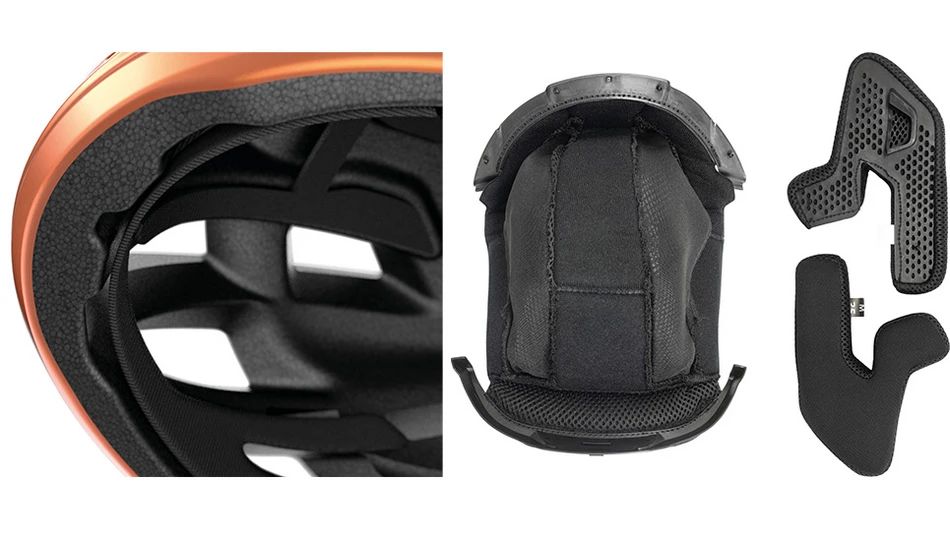
After cleaning the outside, you should clean the inner shell and padding of the bike helmet, as these play an important role in comfort and hygiene. With intensive use, they absorb sweat and therefore need to be cleaned regularly. Most bicycle helmets have removable padding, which makes cleaning easier. You can simply wash these by hand in cold or lukewarm water with a mild detergent.

Avoid hot temperatures, as these could damage the material. The padding should then be rinsed thoroughly with clean water and left to air dry before being put back into the helmet. Be sure to wait until the padding is completely dry to prevent unpleasant odors or the spread of bacteria. Even if you are in a hurry, you should always avoid using a dryer or hair dryer to protect the materials.

Over time, bicycle helmet padding can lose quality due to wear and tear or intensive use. If it is thin or worn, it is advisable to replace the bicycle helmet padding to maintain comfort and safety. If you have a bicycle helmet with replaceable padding, you can simply remove it and attach new padding. When purchasing new pads, be sure to choose the correct size and fit to ensure optimal protection.

Innenansicht einer Fahrradhelmpolsters © ABUS

More about the right fit & helmet adjustment

© ABUS

security check Check your bicycle helmet

In addition to proper care, you should regularly check your helmet for cracks, dents, and other visible damage.

After a fall, it is essential to check your helmet thoroughly to ensure that its protective function has not been compromised. If you notice any damage, you must replace your helmet to ensure that it continues to protect your head reliably on all your bike rides.

The most important cleaning steps

  • Clean the outside with mild soapy water and a soft cloth
  • Clean the inner padding by hand with lukewarm water and a mild cleaning agent
  • Air dry the bicycle helmet padding , avoiding heat sources
  • Check for damage and signs of wear

To extend the life of your helmet, you should always store your bike helmet in a cool, dry place that is protected from direct UV light and extreme temperatures – whether that's on a coat rack in the hallway, in your wardrobe, or in a special box with ventilation slots is up to you. The important thing is that, except when transporting it, you do not choose closed containers or sealed bags for storage: this can hinder ventilation and increase moisture inside the helmet, which in turn can lead to mold growth.

No stickers on the helmet!

Even though it is a popular trend, you should not put stickers on your bike helmet. The solvents contained in the stickers could damage the material and compromise safety. In addition, applying stickers can compromise the structural integrity of the helmet and reduce its protective effect.

By following these simple care and storage instructions, you can ensure that your bicycle helmet will provide you with optimal protection for many years to come and keep you safe on all your cycling adventures.

Loading ...