Recently searched

    Two adults with bicycles in an urban square; woman riding a cargo bike with two children, all wearing ABUS bicycle helmets © ABUS

    bicycle helmets OVERVIEW OF TYPES OF CYCLING HELMETS

    Learn all about the different types of bicycle helmets and find out which helmet best suits your cycling style.

    A bicycle helmet makes cycling safer. Today's helmets are lighter, safer and more comfortable than they were a few years ago. This guide provides an overview of the different types of bicycle helmets and practical tips on what to look for when buying a new helmet. Whether you are looking for an MTB-Helmet, a road bike helmet or a helmet for your daily commute through the city  , read on to find out what types of helmets are available and how to make the best choice for your needs and requirements.

    Mit einem Fahrradhelm bist du sicherer auf dem Rad unterwegs. Helme sind heute leichter, sicherer und komfortabler als vor einigen Jahren. In diesem Ratgeber findest du einen Überblick über die verschiedenen Fahrradhelm-Arten und praktische Tipps, worauf du beim Kauf eines neuen Helms achten solltest. Egal, ob du einen MTB-Helm, einen Rennrad-Helm oder einen Helm für den täglichen Arbeitsweg durch die Stadt suchst: Lies hier, welche Helmtypen es gibt und wie du die beste Wahl für deinen Bedarf und Anspruch triffst.

    Construction methods: In-mould vs. hard shell helmets

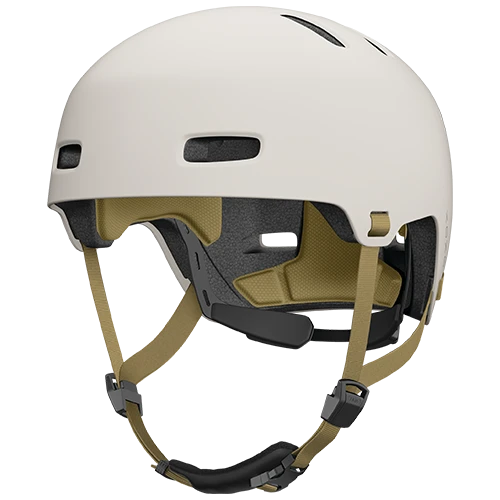
    Bicycle helmets are mainly produced using two manufacturing methods, both of which offer reliable protection but differ in terms of price, ventilation and weight. Shell or hard shell helmets, which are generally less expensive, consist of an outer shell and hard foam, which are manufactured in two separate steps and then joined together. The thickness of the shell provides robust protection against punctures and impacts, but makes the helmet heavier. This type of helmet is also known as a BMX, dirt or skate helmet.

    In contrast, most of the helmets in our range are manufactured using the more complex in-mould process. This process involves fusing the outer shell with the hard foam in a single step within a mould, which gives the process its name. The ability to use a thinner shell makes these helmets lighter than hard shell helmets and allows for more complex designs with sophisticated ventilation openings.

    Helmproduktion; Außenschale verschmelzt mit dem Hartschaum © ABUS

    What types of bicycle helmets are there?

    Although all types of bicycle helmets can be used for any kind of cycling, different sports and different areas of use require special features, which our helmets fulfil.

    Below, we present the most important types of bicycle helmets and their special features so that you can easily choose the right helmet for your next cycling adventure:


    Helmets that are primarily used for leisurely weekend bike rides or everyday commutes are usually less technically sophisticated than specialised sports models.

    Since city bikes and similar bicycles are generally ridden at lower speeds, aerodynamics play a less important role, as does ventilation.

    To improve road safety, these types of helmets are often equipped with integrated lights.

    • Lightweight, comfortable all-round fit
    • Comfortable padding for long periods of wear
    • LEDs/reflectors for better visibility
    © ABUS
    Our recommendations for leisure and weekend trips:

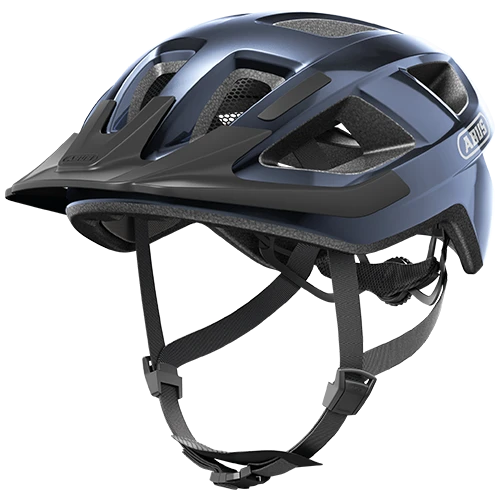
    Trekking and city helmets, also known as urban helmets, typically have a simple and functional design, making them ideal for use in urban environments. They usually cover the ears and do not have intensive ventilation, as physical exertion in the city and on easy tours is usually lower and you sweat less.

    A small visor can be useful in the rain to keep water out of your eyes and glasses. If you frequently ride outside the city, you should consider models with a closed design or with insect nets on the front ventilation holes to prevent insects from getting in and stinging you while you ride.

    Some helmets also have integrated lighting at the rear, which improves your visibility to other road users in combination with the bicycle rear light.

    • Robust helmet shell, suitable for everyday use
    • Visibility thanks to reflectors & integrated lighting
    • Insect protection and extended coverage for more protection in mixed traffic
    © ABUS
    Our recommendations for trekking or city bike use:

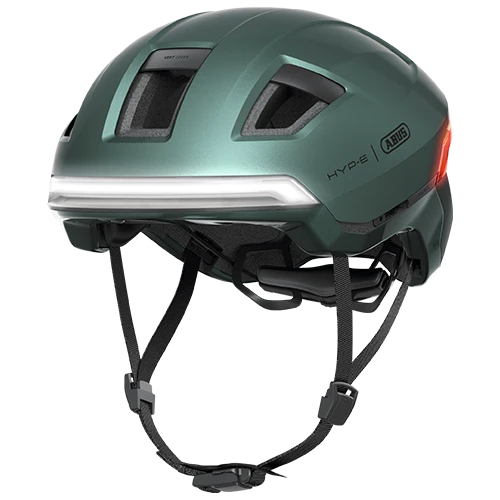
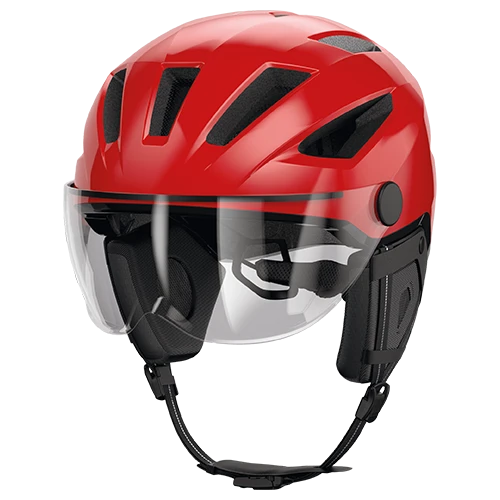
    A commuter helmet, designed specifically for commuters and city cyclists, combines style, comfort and safety in a practical design. Commuter helmets often feature attractive designs to increase acceptance and thus the wear rate among urban cyclists. In addition, they often have integrated lighting or reflective elements that increase visibility in urban traffic. Despite their focus on protection, these helmets offer adequate ventilation and are comfortable to wear even on longer journeys. Some models are also weather-resistant and equipped with visors or rain hoods, making them ideal for commuters.

    Flexible adjustment options allow them to be easily adapted to the shape of the head, ensuring an optimal fit. Due to their multi-purpose use, commuter helmets are also suitable for other forms of urban mobility, such as e-scooters.

    • Integrated LED rear light + reflectors
    • Channelled ventilation
    • Rain hood/visor compatibility
    • Comfortable adjustment system
    • Magnetic closure (e.g. Fidlock) on some helmets
    © ABUS

    E-bike users often reach higher speeds than conventional cyclists and should therefore place particular emphasis on adequate accident protection. By wearing a suitable helmet model, they can achieve a high level of safety and prevent concussions and other serious head injuries resulting from a strong impact.

    In principle, you can wear any high-quality helmet on an e-bike, but there are no separate helmet types for e-bikes yet. However, different helmets are available for specific areas of use, including special versions for e-mountain bikes. In addition, helmets are now being manufactured that are certified according to the so-called NTA 8776 standard (LINK TO NTA OR SAFETY STANDARDS TEXT). This standard ensures that helmets can absorb higher impact speeds and thus offer better protection, making them particularly attractive for riding S-pedelecs at speeds of up to 45 km/h.

    • Removable protective visors
    • Robust helmet shell
    • NTA 8776 standard certified
    © ABUS


    Mountain bike helmets: For biking over hill and dale

    © ABUS

    When touring in the countryside, mountain bikers encounter many dangerous obstacles, such as roots and tree stumps, and are exposed to various fall directions. Mountain bike helmets therefore offer more comprehensive protection than helmets designed for simple bike rides.

    A so-called MTB helmet has been specially developed for the requirements of mountain bikers and is the best choice for riding in challenging terrain. These helmets typically have deeper coverage, especially at the back and sides of the head, to provide additional protection in the event of a fall on uneven trails. They are also well ventilated to prevent overheating during strenuous mountain rides and often feature integrated visors that protect against sun, rain and falling branches.

    Many MTB bike helmets also come with features such as light and camera mounts or additional face protection options, making them an excellent choice for adventurous mountain bikers who want to tackle extreme conditions and difficult terrain.

    • Low cut for temples and neck
    • Visor for protection from sun/branches (often removable)
    • Goggle/glasses compatibility
    • Efficient ventilation on steep trails 

    Downhill-Helme und Fullface-Helme

    © ABUS

    For extra protection.

    A full-face bicycle helmet (also known as a full-visor helmet) is a type of bicycle helmet that covers the entire head and face, similar to a motorcycle helmet or full-face helmet. These helmets offer comprehensive protection by protecting not only the top and back of the head, but also the chin and jaw with a fixed chin bar. They are particularly robust in design to ensure the best possible protection in the event of falls and collisions. If you are interested in mountain biking in the downhill and freeride disciplines, where there is a high risk of serious falls and collisions with obstacles, a full-face helmet is the right choice for you.

    These helmets are also popular with BMX racers and riders who ride in bike parks or on trails. In addition to reliable protection against impacts and blows, their special design also keeps mud, dirt and vegetation from being thrown into your face. Full-face helmets and MTB helmets also feature modern technologies such as MIPS or Acticage, which you can learn more about in this guide (LINK TO TEXT ON SAFETY FEATURES).

    • Chin guard for additional face protection
    • Full-face protection
    • Robust construction
    • MIPS & Acticage
    • Google Fit

    Good to know: In many bike parks, not only are helmets compulsory, but full-face helmets are also mandatory if you want to ride the trails.

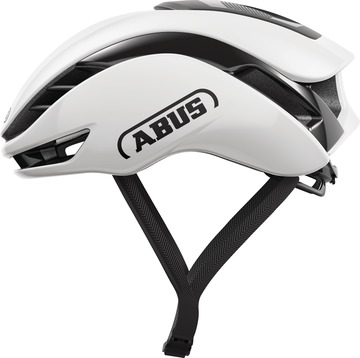
    Road bike helmets

    When road cycling, in addition to protection and comfort, aerodynamics, the weight of the helmet and its ventilation play a particularly important role. You should weigh up these factors differently depending on your personal riding style and preferences.

    © ABUS

    Efficient ventilation with large openings, ideally combined with good sweat management, is particularly important for long, strenuous climbs, for example, as you rely on the airflow from your helmet to prevent overheating. At ABUS, we offer special road bike helmets under the name ‘Road’. They have a smooth surface, special ventilation openings and are lightweight. They also do not have a visor so as not to impair the field of vision in a bent riding position and to prevent wind turbulence under the visor, which costs the rider valuable energy.

    What many people don't know: an aerodynamically optimised helmet can offer almost the same advantage as high-quality aero wheels, but at a significantly lower price. However, you can put this aspect on the back burner if you mainly ride a road bike for pleasure and don't compete in races. Keep in mind, though, that helmets with strong aerodynamics often come with less ventilation.

    High-priced models usually strike a better balance between aerodynamics and ventilation and are also lighter.

    • Very low weight
    • Highly effective ventilation openings
    • Secure glasses retention
    • Fine adjustment for a stable fit at high speeds

    • Eyewear Port
    • ActiCage
    • Aero Blade™
    • MIPS
    • Place of production
    • Weight
    • Performance

    Gravel-Bike-Helme

    A gravel bike helmet is specially designed for the versatile requirements of gravel bike riders who ride both on the road and on uneven terrain. Bicycle helmets for gravel use are lightweight and well ventilated to prevent overheating on long rides, and feature a comfortable fit with flexible adjustment systems that are easy to use even while riding. Many models feature removable visors and reflective elements that improve visibility. This makes them ideal for cyclists who want to tackle a wide range of riding conditions.

    © ABUS


    • Lightweight and well ventilated
    • All-round geometry for road and off-road use
    • Optional visor and reflectors

    Triathlon helmets for high-performance athletes


    © ABUS

    Triathlon helmets are specifically designed to meet the specific requirements of triathlon, where aerodynamics and speed are crucial.

    They feature a streamlined shape that minimises drag and often have an extended rear to optimise airflow. These helmets are lightweight so that they do not add extra strain during long rides.

    Despite their focus on aerodynamics, modern triathlon helmets offer strategically placed ventilation openings that allow for effective cooling without significantly compromising aerodynamics. Comfort and fit are also key in competitive sports, which is why chin straps and other strap systems can be precisely adjusted to ensure a comfortable fit even over longer distances.

    Some models feature integrated visors that protect against sun and wind while improving visibility and replacing traditional sports glasses during the ride. In addition, some helmets are designed to be quickly put on and taken off, which is particularly advantageous in competitive situations.

    For triathletes aiming for high performance and efficiency, triathlon helmets are therefore an essential piece of equipment.

    • Aero efficiency
    • Stable fit even in the aero position
    • Low weight for long distances

    Children's bicycle helmets

    As with all bicycle helmets, safety is the top priority for children's bicycle helmets.

    © ABUS

    A suitable helmet for children fits securely on the head without pressing, and ideally can be easily adjusted to the child's growth using flexible adjustment systems. A low weight is also important to relieve strain on the neck, while good ventilation increases wearing comfort, especially on warm days. Children's helmets should also be visually appealing to encourage children to wear them and thus increase the rate of helmet use among children.

    Additional features such as integrated rear lights or reflective elements can further improve visibility and thus the passive safety of young cyclists in traffic. Robust materials also guarantee the durability of the helmet, even with daily use.

    The right equipment is also important to ensure that children remain enthusiastic about their hobby from an early age. For maximum safety and more riding enjoyment, there are also different types of children's bicycle helmets, such as MTB helmets or full-face helmets.

    Important: Bicycle helmets must always fit perfectly for both children and adults in order to provide reliable protection. To choose the ideal bicycle helmet for children, it is important to determine the exact head circumference, among other things. You can find out how this works and what else you should look out for when buying a helmet in our guide (LINK TO TEXT ‘HOW SHOULD A BICYCLE HELMET FIT’) on the correct fit of helmets.

    • LEDs/reflectors for increased visibility
    • Flexible adjustment system for size adjustment
    • Child-friendly designs
    • Low weight

    • Rear light
    • Reflective sticker
    • Closure type
    • Plait opening
    • MIPS
    • Insect screen net
    • Age
    • Sizes

    Conclusion: There is a suitable helmet for every need.

    Whether city helmets, road bike helmets or commuter helmets: a high-quality helmet plays a crucial role in your safety and comfort when cycling. Ideally, protective gear that is the right size and can be adjusted flexibly can significantly reduce the risk of head injuries and concussions.

    As there is now a wide range of bicycle helmet types on the market for every application and requirement, every cyclist can find the ideal helmet model. Comprehensive bicycle helmet advice can help you make the best purchase decision and maximise your safety on two wheels.

    Loading ...