© ABUS

Bicycle helmet safety Key features

Wearing a bicycle helmet ensures greater safety in road traffic.

In this guide, you will learn why wearing a helmet is essential and which modern technologies and features increase its protective effect. Choose innovative safety features and trust in first-class quality to provide your head with optimal protection in the event of a fall.

When it comes to the question of “bike helmet yes or no,” safety plays the most important role. In our guide, we explain exactly why you should definitely wear a bike helmet. Although there is no legal requirement to wear a helmet when cycling, all experts recommend wearing one. But what technical features make a bike helmet safer in the event of a bicycle accident and protect your head?

Anyone looking to buy a helmet will often come across many technical terms and different safety features. Here you can find out what these terms mean in relation to bicycle helmets and how they really increase accident protection.

Bicycle helmets are now high-tech products that offer ever-improving protection as well as many comfort features. However, helmets only offer the best possible head protection if they fit perfectly and the type of helmet suits your requirements and riding style. Whether mountain biking, city riding, or road cycling—there is a helmet for every discipline, because the potential dangers and accidents involved in downhill riding are completely different from those in city traffic or on fast descents. We provide you with practical information on the different types of helmets and safety features of bicycle helmets, and give you practical tips on how a helmet should fit correctly.

© ABUS

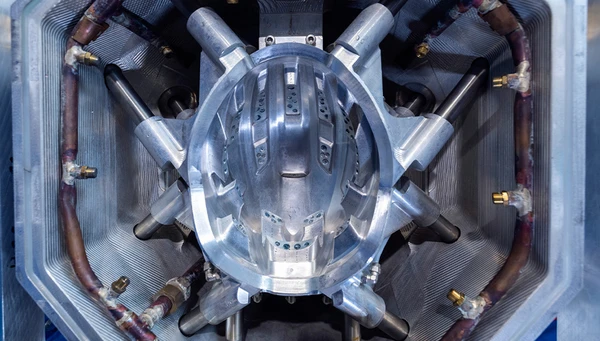
Modern manufacturing for maximum safety in bicycle helmets

Modern helmets are usually manufactured according to two main designs, each of which has specific advantages and provides excellent protection in the event of an accident. The key aspects of a good bicycle helmet's protective effect are constantly being developed to minimize the risk of serious head injuries in the event of a fall or bicycle accident.

Fahrradhelm Fertigung; Fahrradhelm Rohling © ABUS

In-mold helmets: In the in-mold process, the helmet shells and hard foam are welded together inseparably, resulting in a particularly stable and lightweight helmet structure. In-mold helmets are very durable and, despite their comparatively high stability, can be equipped with larger ventilation slots.

Hard shell helmets: In hard shell helmets, a separate shell made of hard plastic (usually ABS) covers the hard foam. These helmets are slightly heavier, but also particularly robust and pressure-resistant, making them ideal for tougher use. Thanks to their often deep-drawn shell, they offer additional protection in the temple and neck area, just like many InMold helmets.


Whether MIPS technology, fly net, Acticage, or LED lighting—in addition to the basic design, there are numerous additional features that increase the safety of your bicycle helmet. Below you will find some of the most important features and extras.

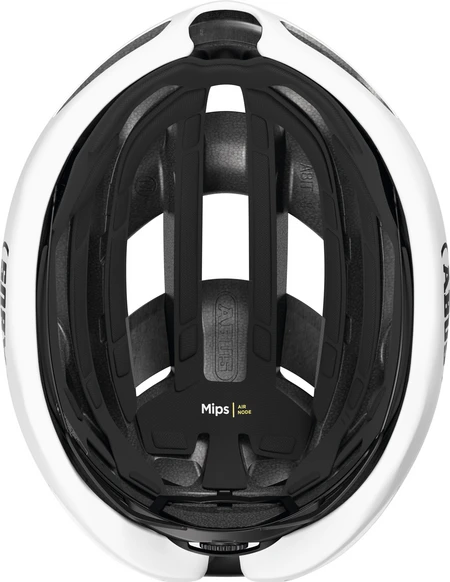
Advantages of MIPS rotational protection in bicycle helmets

MIPS (Multi-Directional Impact Protection System) technology is an innovation in helmet safety. This system reduces the rotational forces that can act on the head in the event of an oblique impact, thereby reducing the risk of concussions and sometimes serious brain or head injuries. MIPS technology is based on a low-friction layer inside the helmet that can move during an impact to divert the forces away from the head and thus minimize the risk of injury. This modern technology is used in numerous helmet models and by over 100 brands worldwide. Many ABUS helmets also feature MIPS – you can easily find this information in the equipment details.

© ABUS


Tip: A MIPS helmet is particularly useful if you often ride on uneven terrain or if there is an increased risk of falling during your tours.

Fly net: Comprehensive protection against insects:

A fly net in your bike helmet increases your safety by preventing insects from getting into your helmet while riding. This offers you several advantages:

  • No distractions: Insects that get into your helmet can startle or distract you, which can impair your concentration and increase the risk of an accident. A fly net keeps insects away and ensures an undisturbed ride with reduced risk.
  • Protection from stings and bites: Some insects can sting or bite, which can be painful and potentially dangerous, especially while riding. A fly net protects your head from such injuries.
  • Better ventilation: A fly net is designed so that it does not impair the ventilation of the helmet. This means that despite the increased protection, you still benefit from good air circulation, which is important for your comfort and cooling.

ActiCage technology for bicycle helmets:

ABUS's ActiCage technology is a special manufacturing technique for bicycle helmets in which a cage structure is foamed into the hard foam. This technology allows for extensive ventilation openings on the helmet without compromising the structural strength of the helmet shell.

GRID construction: Efficient ventilation and aerodynamics:

In cycling, extreme weather conditions such as high temperatures during major races pose a particular challenge. When designing the GameChanger 2.0, care was taken to ensure both aerodynamic efficiency and effective ventilation. The Aero Blade, with its special grid structure, is a design element that combines these two requirements by providing both optimal air circulation and aerodynamic advantages without compromising performance due to heat build-up. Better ventilation means you sweat less while riding, which can significantly increase your concentration and improve your results on the race track.

© ABUS

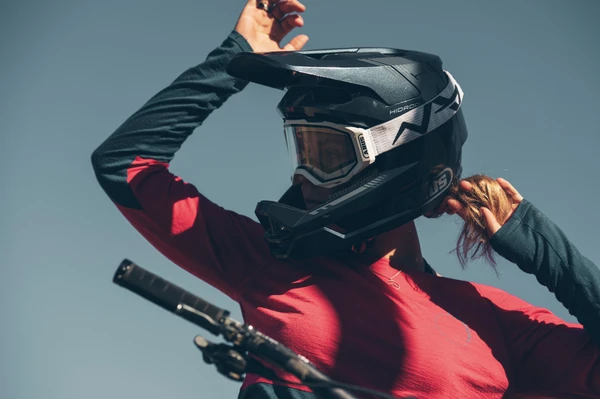
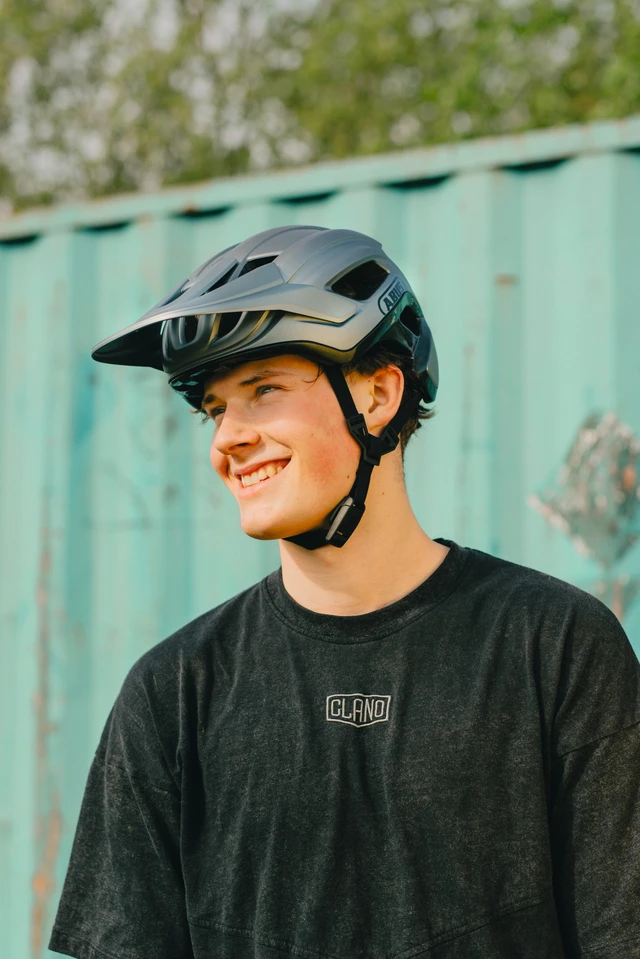
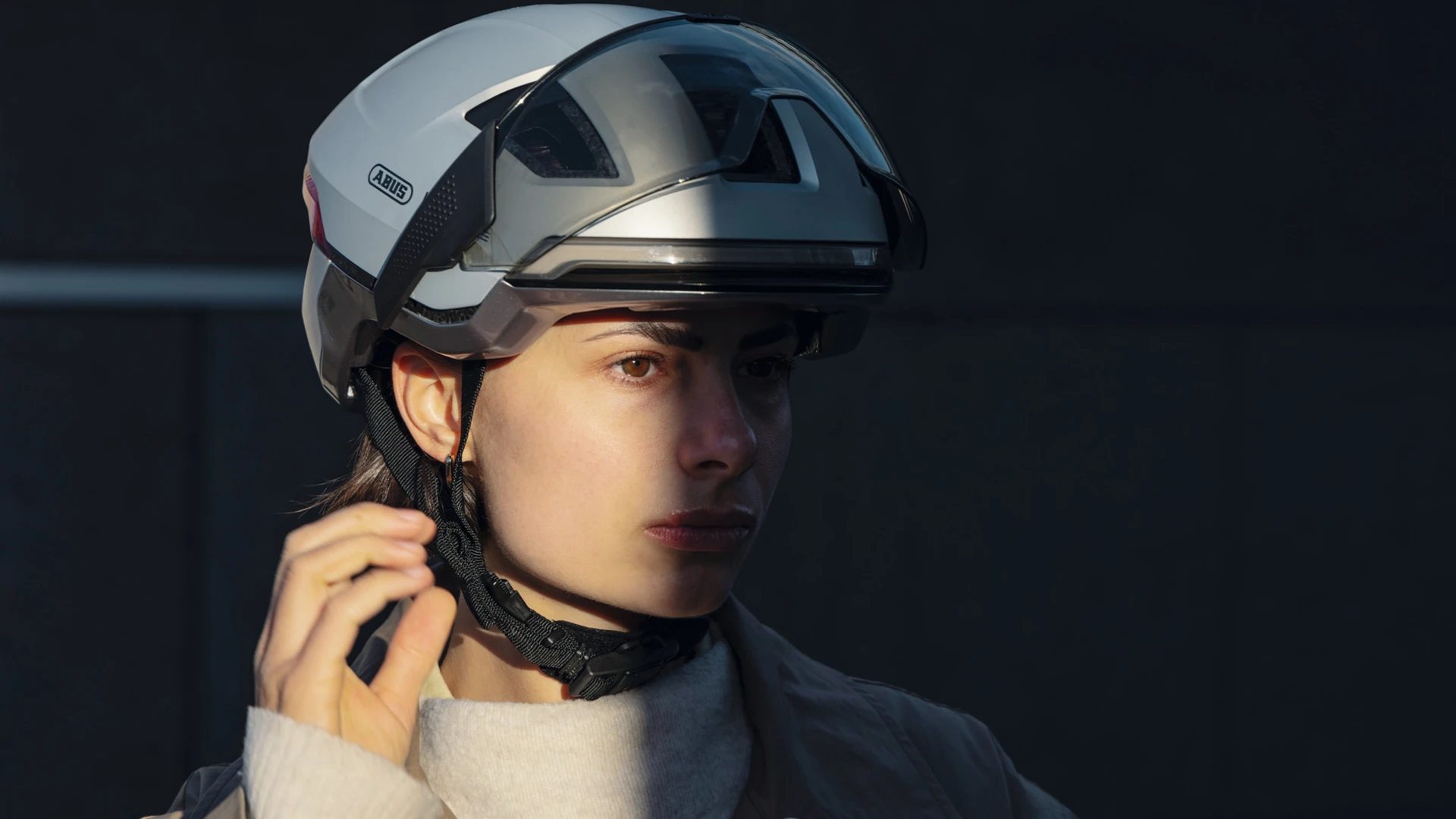
Break-Away Visor: Additional protection in the event of accidents:

A break-away visor on your bicycle helmet significantly increases your safety when cycling. This special visor is designed to detach automatically in the event of a fall or impact with a solid object. This prevents the visor from providing additional resistance or becoming caught in the event of an accident, which could lead to injury. By detaching, the visor minimizes the risk of head and neck injuries, as the impact forces are reduced and distributed more evenly.

© ABUS

In addition to choosing the right helmet size, it is also essential to adjust the straps correctly to ensure reliable head protection when cycling. As a guideline, the straps running along the sides of the head in front of and behind the ears should meet approximately one finger's width below the earlobe and be taut. Always adjust the chin strap so that there is still room for one or two fingers between the chin and the closed strap.

Note: Your helmet is only sitting correctly if it cannot be pulled forward off your head after the chin strap has been fastened.

The advantages of a Fidlock magnetic buckle on the chin strap

A particularly useful feature is the Fidlock magnetic buckle on the chin strap. This system allows you to open your helmet quickly and effortlessly with just one hand, making it much easier to remove. This is especially important after a fall or in emergencies, so that first aid can be administered quickly, for example. The magnetic mechanism also ensures that the strap remains securely fastened at all times. This minimizes the risk of the helmet coming loose or slipping while riding. In addition, the magnetic strap closure prevents you from accidentally pinching your fingers when fastening the helmet, which further improves comfort and ease of use.

The safety advantages of Fidlock at a glance:

  • Quick and effortless opening with just one hand.
  • Belt securely fastened at all times
  • Prevents pinching when closing
© ABUS

Greater safety through improved visibility.

LED lighting and reflectors on your bicycle helmet significantly increase your safety by improving your visibility in poor lighting conditions or darkness. Because cyclists often have a narrow silhouette, they are easily overlooked despite standard bicycle lighting.

With LED lighting, you will be noticed more quickly and from a greater distance by drivers, pedestrians, and other cyclists. This effectively reduces the risk of collisions, especially with oncoming traffic. Reflectors enhance this effect by reflecting the light from headlights and street lamps, further emphasizing your presence on the road.

Especially at dusk, at night, or in bad weather, the combination of active light and reflective elements provides comprehensive protection. These features help to make you safer on the road and enable other road users in city traffic to be more considerate of you. You can find more information on visibility and lighting when cycling in this guide.


© ABUS
© ABUS

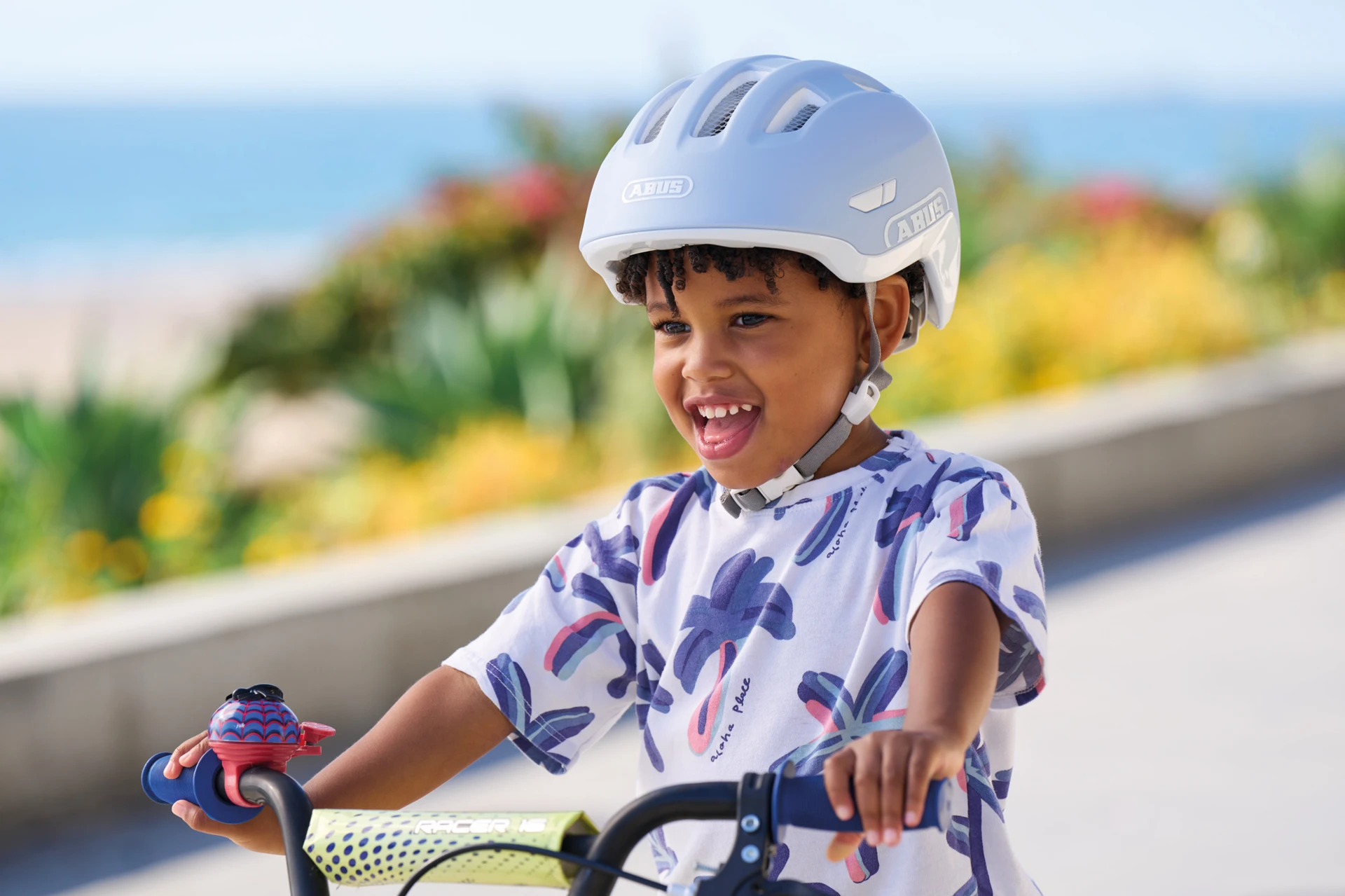
Maximum protection for children's helmets

Children's helmets and helmets for small children should meet specific requirements in order to provide optimum protection.

A well-fitting helmet is crucial—because only if the helmet fits properly can it fulfill its necessary protective function. Below you will find an overview of the most important safety features for children's helmets.

  • Attractive design and visual features

It is just as important for children as it is for adults that the helmet fits well and is actually worn. Design plays a particularly important role in helmets for small children, as children are usually only happy to wear their helmets if they like the way they look. Helmets in eye-catching colors also improve visibility and thus safety in road and bicycle traffic considerably. Built-in LEDs are also beneficial, ideally with a USB charging port to avoid having to change batteries regularly if the light is accidentally left on.

  • Ergonomic design and comfort

If your child is still riding in a bike seat, a flat back of the helmet is particularly important so that they can lean back comfortably. Modern children's helmets have soft padding and a variety of adjustment options to ensure an optimal fit and high wearing comfort. In addition, specially designed chin straps prevent your child's sensitive skin from being pinched.

  • Proper fit for maximum safety

It is tempting to reuse helmets from older siblings or relatives, but this should only be done in exceptional cases and with caution. A poorly fitting helmet does not provide adequate protection in the event of an accident and can significantly increase the risk of serious head and neck injuries.

  • Remove helmet when not in use

Even if children enjoy wearing their helmets, they should take them off immediately when they stop riding their bikes. When playing, climbing, or running around, the helmet or straps can get caught on objects such as branches and cause serious injuries.

By keeping these points in mind, you can ensure that your child's helmet is not only comfortable but, above all, safe, and that your child will continue to enjoy cycling for a long time to come.

A bicycle helmet is an essential piece of protective gear that can save lives. The right fit and size, as well as modern safety features such as MIPS or integrated LEDs, can significantly increase the level of protection. Whether you're riding in the city, in the countryside, or off-road, always choose a helmet that suits your riding style and pay attention to the relevant safety features—this way, you'll always be as well protected as possible and can enjoy your ride with peace of mind.

Loading ...