Bicycle lighting compliant with German Road Traffic Licensing Regulations (StVZO)
The Road Traffic Licensing Regulations (StVZO) set out detailed specifications for lighting equipment on bicycles. These regulations are crucial for ensuring the safety of all road users. The prescribed lighting equipment includes lamps and reflectors, which are designed to make your bicycle clearly visible on every journey. Below, we outline the most important regulations:
- White front light, red rear light (permanently mounted or removable)
- Reflectors in accordance with StVZO
Requirements for bicycle headlights
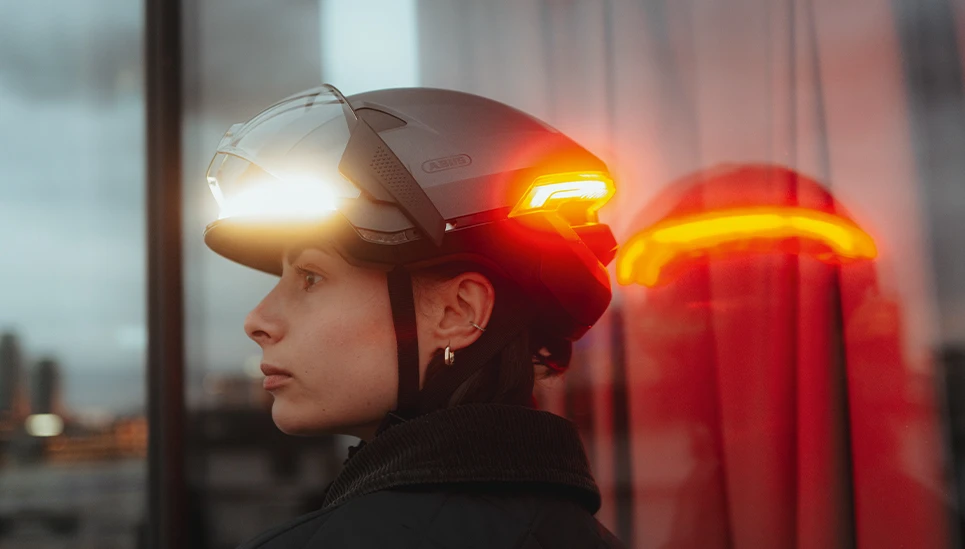
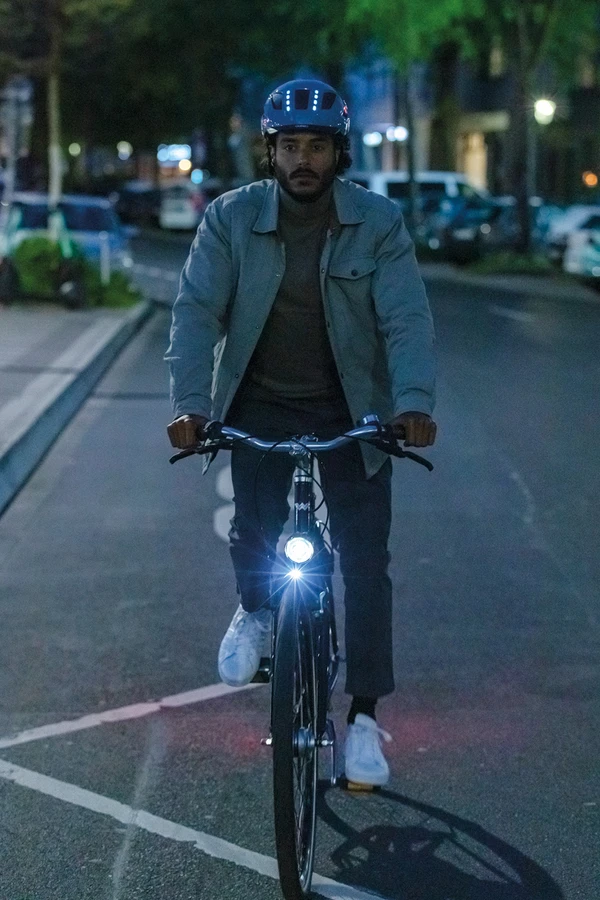
Your bicycle must be equipped with one or, optionally, two headlights for white low beam at the front. In addition, a white front reflector must be fitted, which may alternatively be integrated into the headlight. At the rear, a red rear light (also known as a brake light, tail light, or rear light) and a red reflector, category Z, are mandatory. The reflector can also be combined with the rear light, but it must not be triangular.
It is important that all lights are type-approved and bear an official test mark. This test mark consists of a wavy line, the capital letter K, and a number. The light sources, such as LEDs, must also comply with the defined design. Alternators (dynamos such as hub dynamos), batteries, and rechargeable batteries are permitted as energy sources for the lighting.
Reflectors: An indispensable addition to headlights and other lighting.
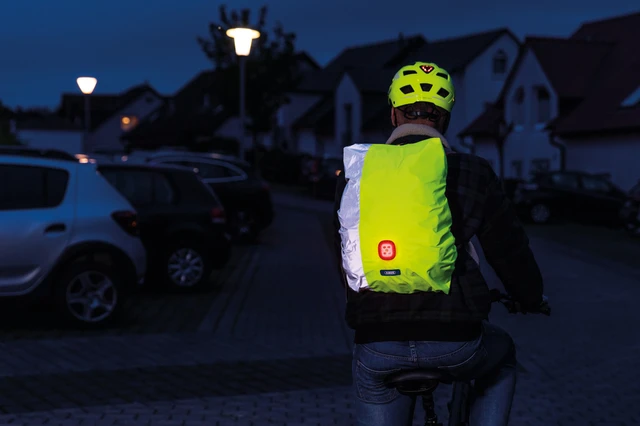
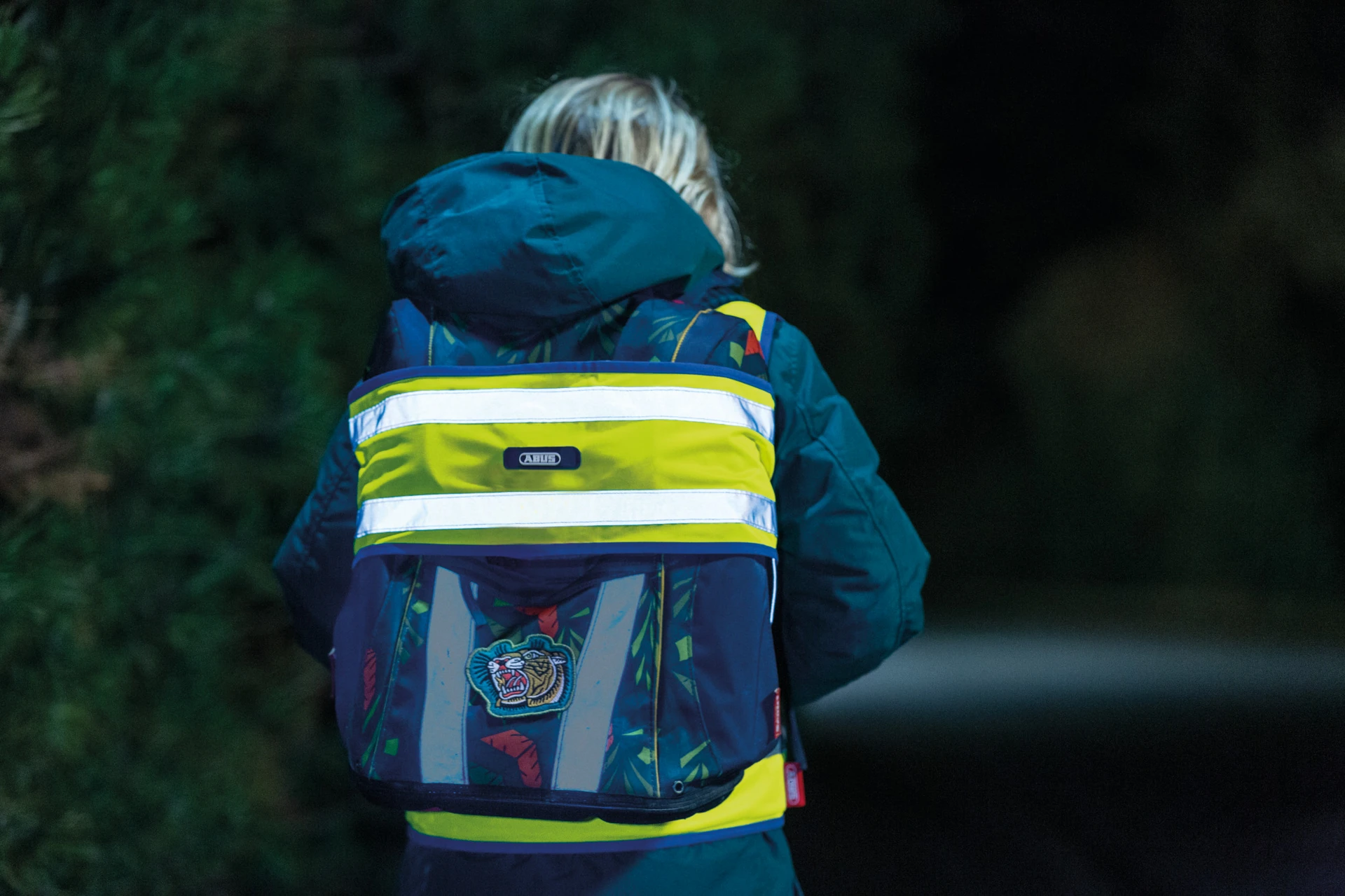
In addition to lighting, reflectors are mandatory at the front and rear of the bicycle. The StVZO (German Road Traffic Licensing Regulations) stipulates two yellow reflectors on each pedal. These ensure that cyclists are also clearly visible from the side. There are various options for the wheels: You can attach at least two spoke reflectors offset by 180 degrees, use sleeves that completely cover the spokes with white retro-reflective material, or mount continuous white reflective strips on the front and rear wheels.
Tips for adjusting and maintaining bicycle lights
To ensure that your bicycle lights function properly, you must make sure that they are adjusted correctly. To do this, the headlight should be aligned so that it illuminates the road well without dazzling oncoming traffic and other road users. Flashing headlights and taillights are prohibited as they could irritate other road users. The bike light must also not be covered by other components or any cargo.
To ensure you are always safe on the road, you should regularly clean and check your bicycle lights and reflectors. In this context, you should also make sure to charge any rechargeable batteries in rechargeable lights in good time or change the batteries in battery-powered lights, and regularly check the reflectors for dirt and damage.